Medical Services
East Los Angeles Center for Diabetes
Nearly 50,000 people in the East Los Angeles area have
diabetes. Thats not surprising, since one in seven
Latinos and one in four Mexican-Americans over
the age of 45 are diabetic.
Yet many people in our community dont know they have diabetes because they have never been tested. Many just try to cope with the symptoms, not knowing why they feel the way they do. They are people like Maria Perez, who was diagnosed with diabetes nine years ago.
"I didn't have any idea that I had diabetes until I was tested at a health class I was in," she said. "I wasn't feeling well, but I didnt know why. I was very sick; I felt like I was going to die."
Fortunately, Perez sought the help of a physician, who put her on medication to control her diabetes. After she started using insulin and adjusted her lifestyle, she said, she felt much better. Those important steps likely saved her from a future filled with illness.
The results of untreated diabetes can be devastating blindness, amputations, heart disease and other serious problems. Yet even those who know they need help often face roadblocks, including lack of health plan coverage, not knowing where to go and other challenges.
A New Solution to an Old Problem
A collaborative effort among local organizations is resulting in powerful and effective solutions for our communitys diabetes patients. Together, theyve launched the East Los Angeles Center for Diabetes, located at White Memorial Medical Center.
The Multicultural Area Health Education Center (MAHEC), White Memorial Medical Center and the White Memorial Family Medicine Residency Program are taking the lead in this innovative program, with support from the UCLA Center for the Study of Latino Health and the Latino Community Diabetes Council.
Thanks to their knowledge and experience in our community, MAHEC and the White Memorial Family Medicine Residency Program secured a grant that allowed the organizations to lay the groundwork for the East Los Angeles Center for Diabetes. This was followed by a successful partnership between the hospital and the QueensCare Foundation. Building upon that success, the Family Medicine Residency Program applied for and received a second, $800,000 grant from The California Endowment to launch the diabetes center last year.
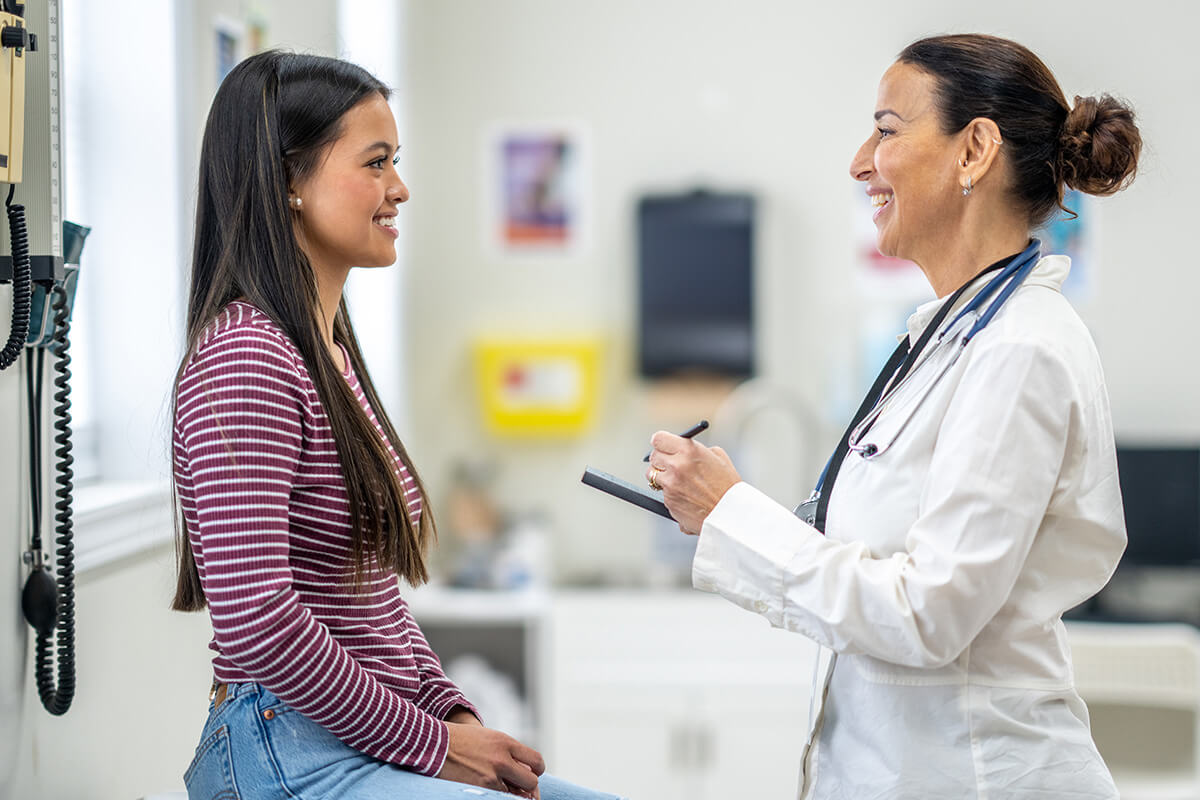
The center's comprehensive program provides fullservice diabetes testing, education, peer counseling and follow-up care to help people in the community diagnose and control their diabetes. Funding help is available, and health plan coverage is not needed because many of the services are supported by Queen'sCare and L.A.Care Health Plan.
Already, more than 2,500 people in the Boyle Heights/East LA area have been screened for diabetes at White Memorial. Many others have benefited from the education that is also provided.
Patients attend six to eight classes that are tailored to their specific needs. Each patient receives at least nine hours of education, including one hour of individual consultation with a diabetes educator or a registered dietitian. Classes are available in English and Spanish.
Maria Perez attends the Spanish-language class and has high praise for both the class and instructor Ruth Pupo, a registered dietitian and diabetes educator at White Memorial.
"I enjoy the class very much," Perez said. "It helps me understand more about diabetes. Ive learned about my diet to avoid fat and meat, to eat more vegetables, to drink water and about exercise. Ruth does a great job teaching the class. I ask so many questions, and she answers them all."
Diabetes 101 and Beyond
This emphasis on long-term diabetes care is at the heart of the program at the East Los Angeles Center for Diabetes. Along with diagnosing and treating diabetes, an entire team of medical professionals primary care doctors, endocrinologists, diabetes educators, nutritionists and others give patients the education they need to keep their disease under control long after they leave the program.
Perez is an enthusiastic supporter of the educational part of the program. "I wish more people would attend the class," she said. "Its very important to learn how to control diabetes. It is great to have a class like this. Its like a family, and it has changed my life."
Bringing Diabetes Care Home
One of the most unique aspects of the new program is a peer counseling component, directed by Latino Health Access (LHA), that will make a lasting difference in the lives of diabetes patients.
A group of LHA-trained promotoras peer counselors will soon begin providing personalized education services to diabetes patients. The promotoras will chat with patients about diet, blood sugar monitoring and other lifestyle changes in familiar surroundings.
The goal of the visits is to encourage diabetes patients to stick with their eating, monitoring and exercise plans and to help them see that they really can make a tremendous difference in their health by carefully following the suggestions of their health care team.
"Latinos are very family oriented, and they tend to listen to someone that they feel is like them," Pupo, the diabetes class instructor, said. "They think, This is someone who has gone through the same things Im going through. They were successful, so I can be too. When you approach the follow-up in that familial way, you can break down barriers."
An Open Door
MAHEC and White Memorial understand that easy access to health care, comprehensive services and a personal touch can make all the difference to the people in the community.
"Its what the East Los Angeles Center for Diabetes at White Memorial is all about," Pupo said. "It's an open door for all patients and families, insured or not. Its just so important that our community understand the risk of diabetes and the key role that their behaviors play in the outcome of the disease. We want them to know that what they do every day has a large impact on their health."
For more information on the East Los Angeles Center for Diabetes at White Memorial Medical Center, call (323) 265-5066. For more information on MAHEC, call (323) 780-7640. For a list of diabetes classes, click here.